All Photo Credit: Kili Goodrich
It gets so hot: MUNA brings the ultimate heat to phoenix
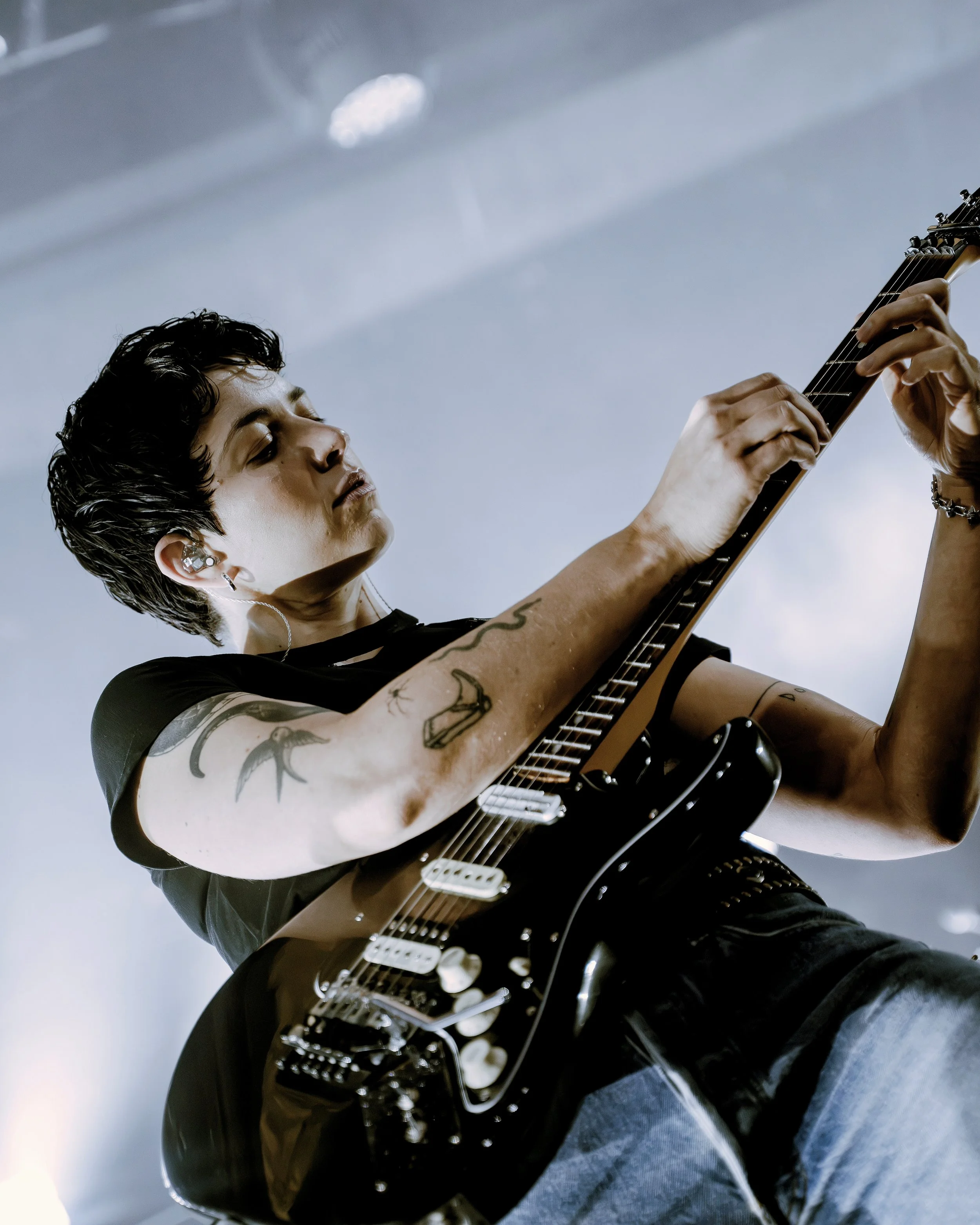
MUNA brought the seductive, unruly world of Dancing On The Wall to Phoenix. Beneath the sweat, screaming, and feral energy tenderness. With Naomi McPherson absent, the band and crowd held her with remarkable care. The night was a deeply emotional celebration to the family behind MUNA.
MUNA
.𖥔 ݁ ˖
MUNA .𖥔 ݁ ˖
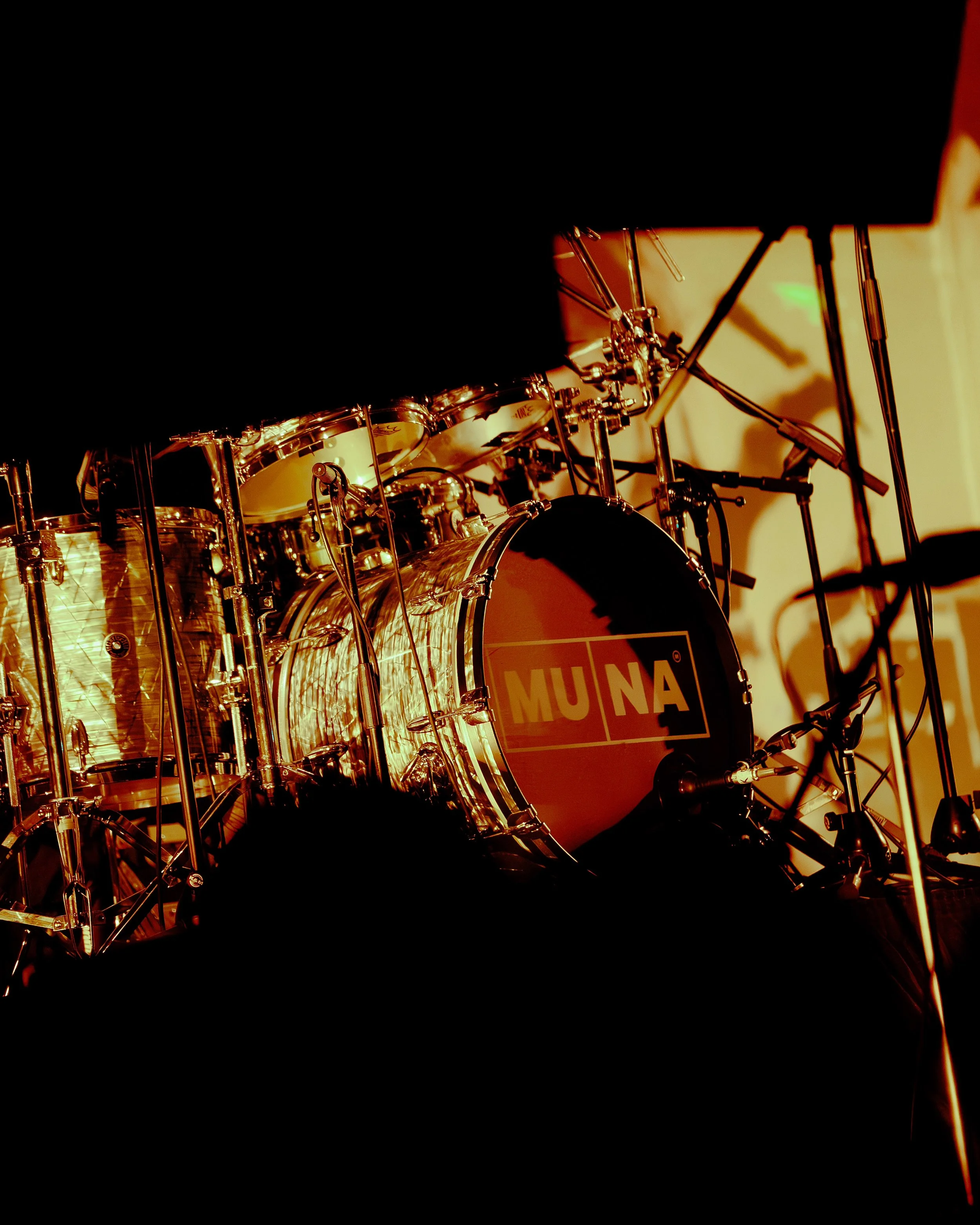
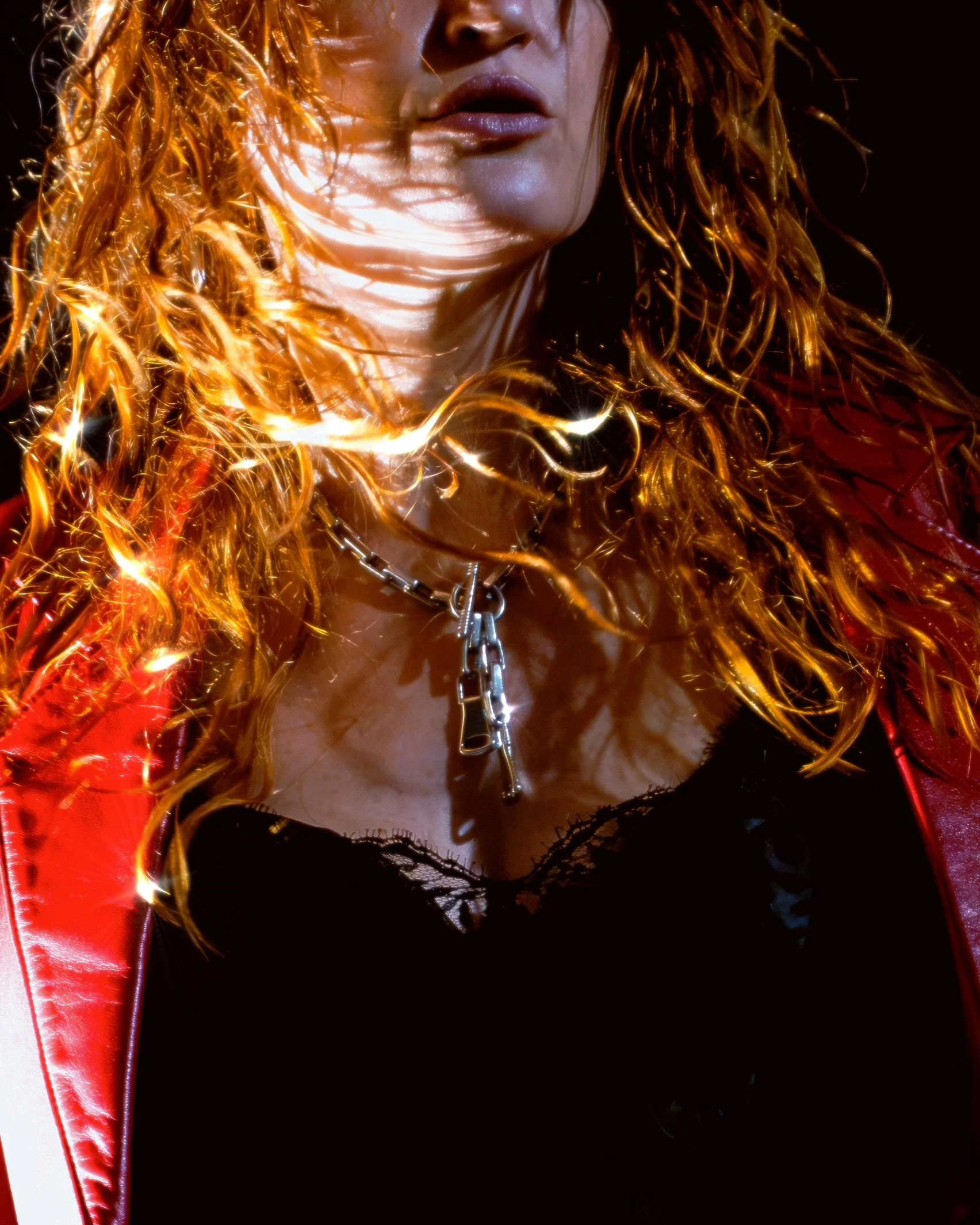
At The Van Buren in Phoenix, Arizona, black and red dominated the room. Bringing a visual echo of MUNA’s latest era: darker, sensual, playful, a little dangerous around the edges. Some fans even came wearing tiny horse necklaces and headbands. Of course, a nod to Stacy. Known as the horse that has become a beloved piece of MUNA lore and community culture. Later, Stacy herself made an appearance. Tossed into the crowd as the sacred artifact of the fandom that she is.
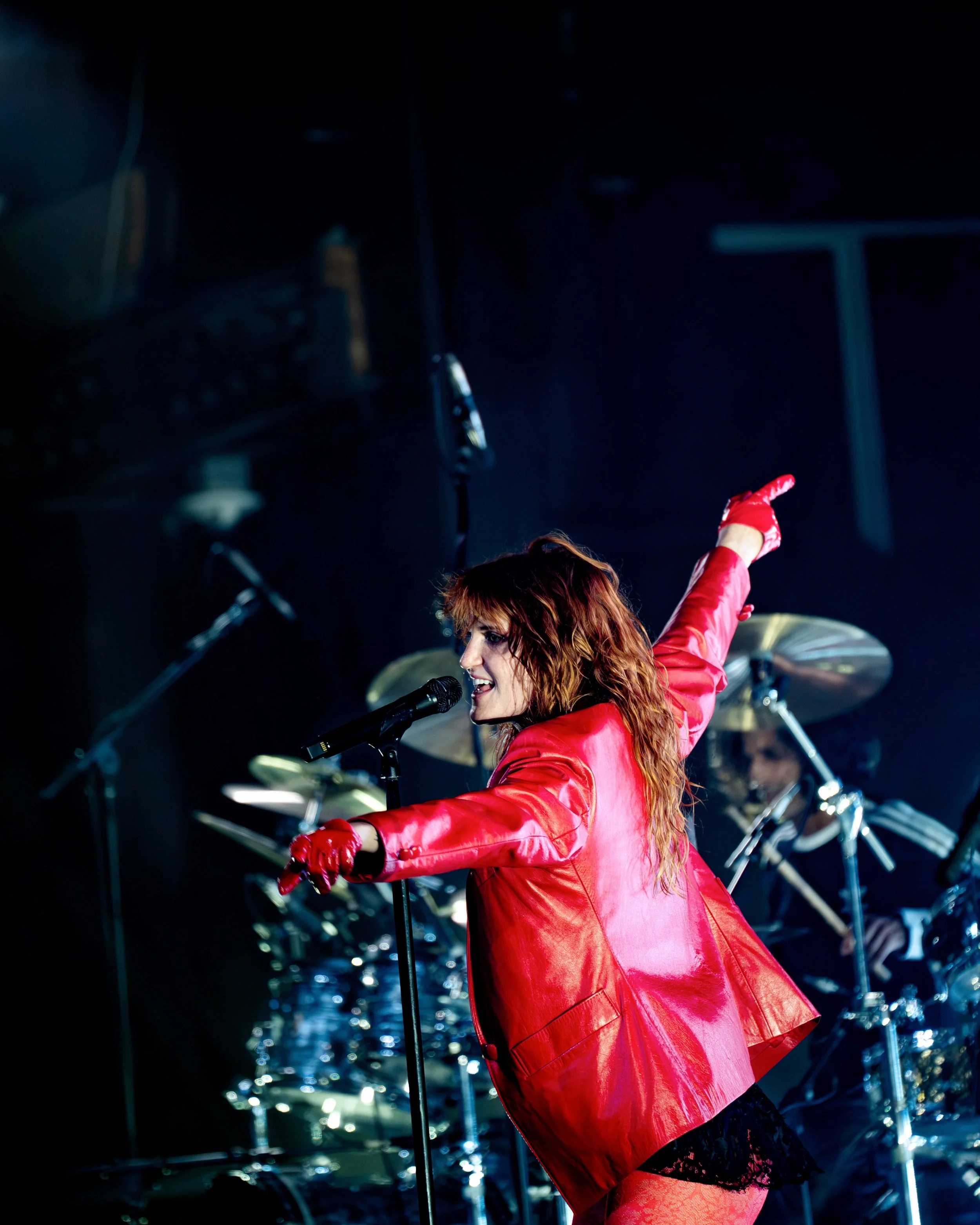
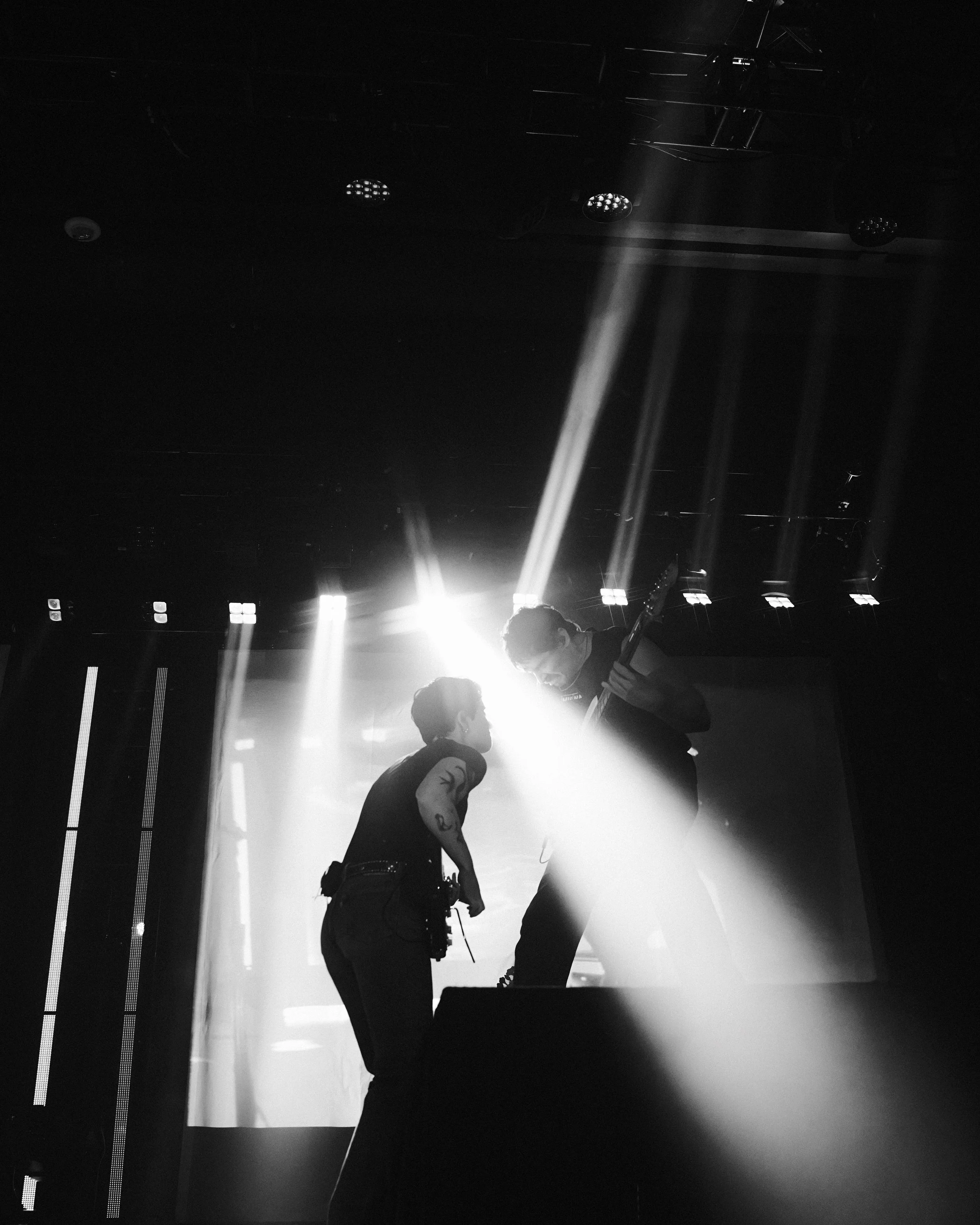
The stage went dark before “It Gets So Hot” erupted into the room. Insane to think Phoenix could get any hotter, but it did. Bursting light carved the band into silhouettes. Their shadows stretching across the stage as the opening notes broke through the darkness. “Dancing On The Wall,” immediately established the atmosphere.
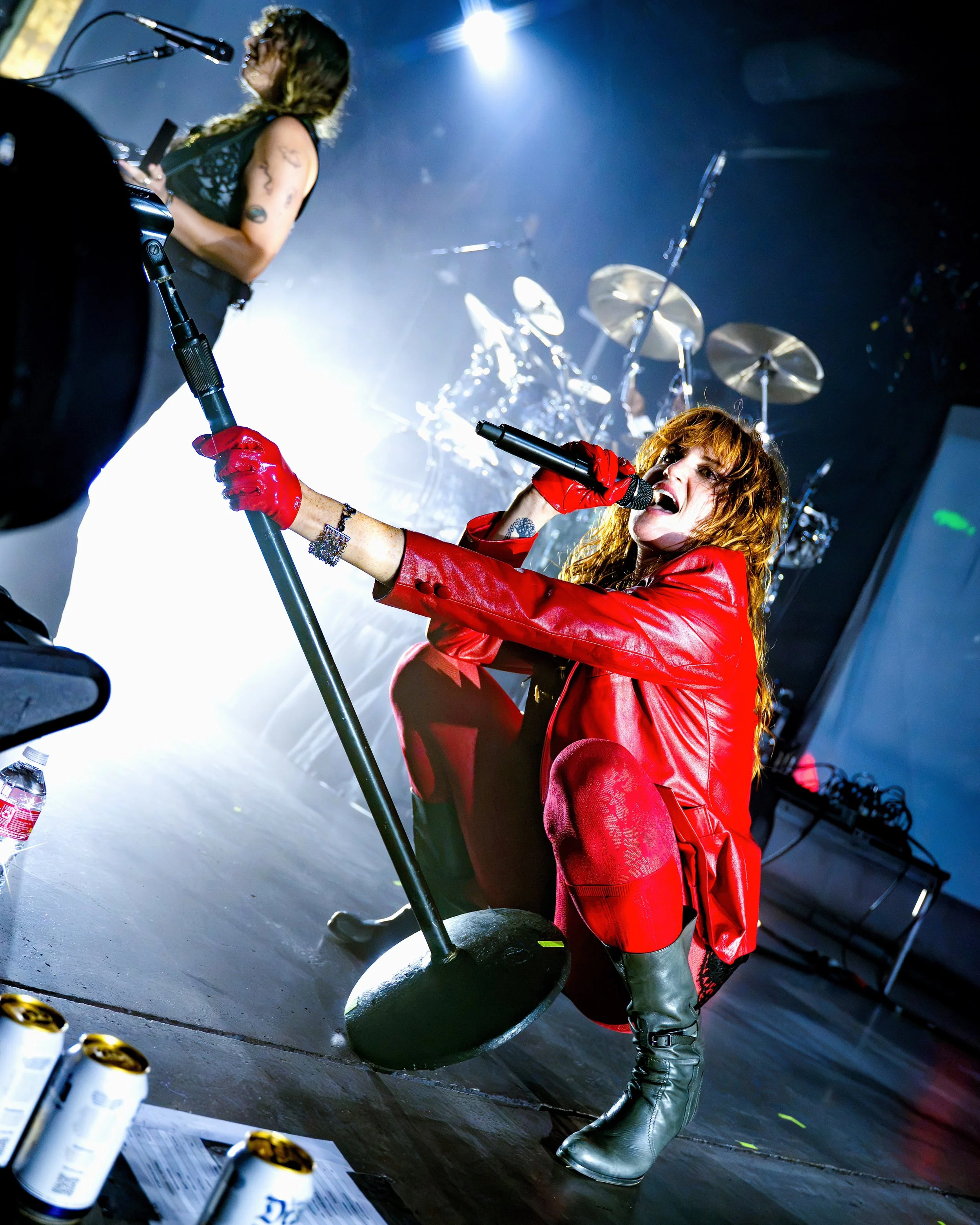
This is MUNA in a different shade than some of their earlier eras. There is still the aching honesty, the irresistible pop instinct and the communal songwriting that has always been theirs. Dancing On The Wall seems more tactile. More confident in its own skin, with a striking nature. The production leaned into darker textures and saturated tones, mostly red. The lyricism of their latest album plays with desire, self-awareness, identity and the messy exhilaration of wanting something and deciding you aren't going to apologize for it. A total boost of self-confidence, and from top to bottom the album feels like a soundtrack to strutting down a nightly lit street.
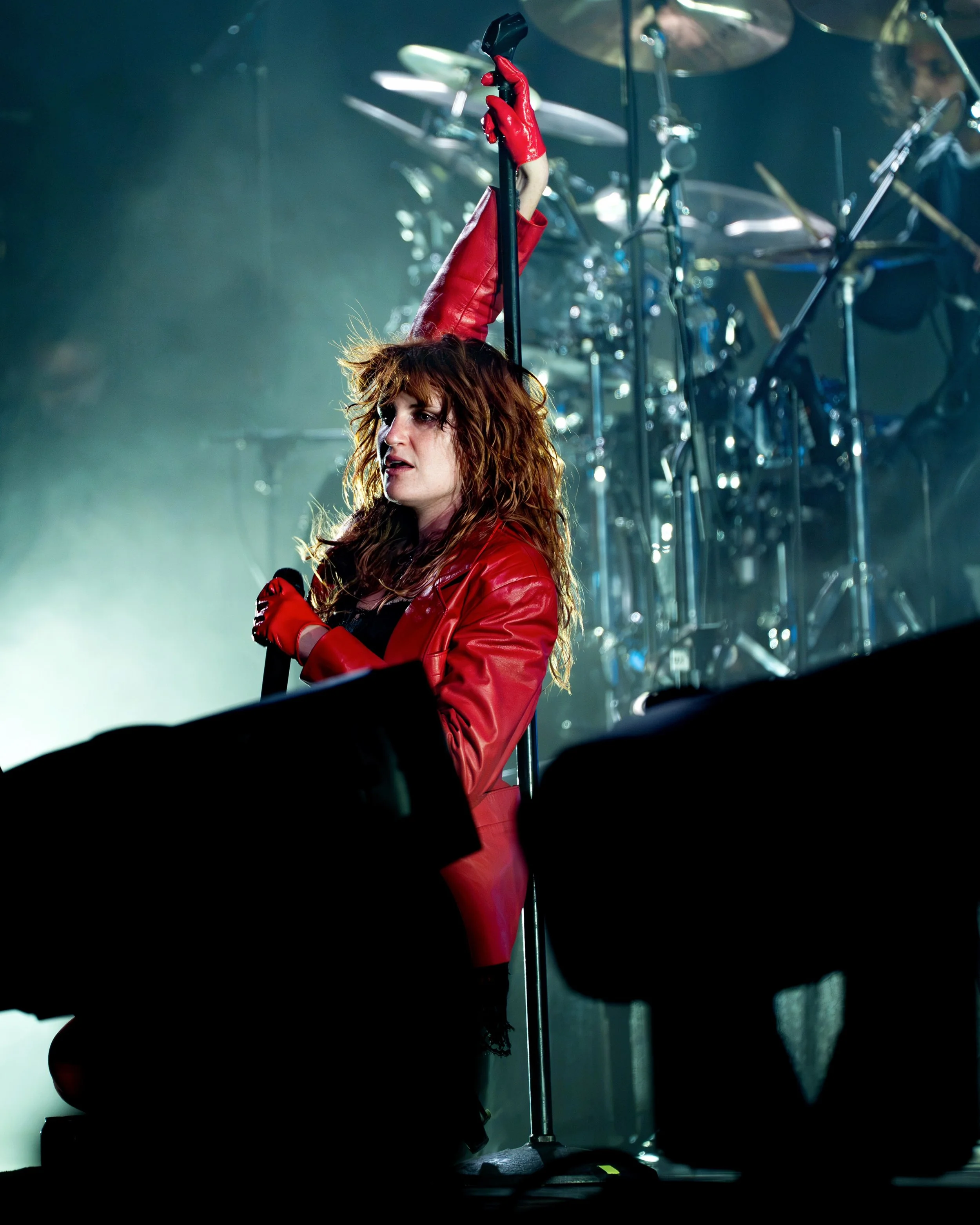
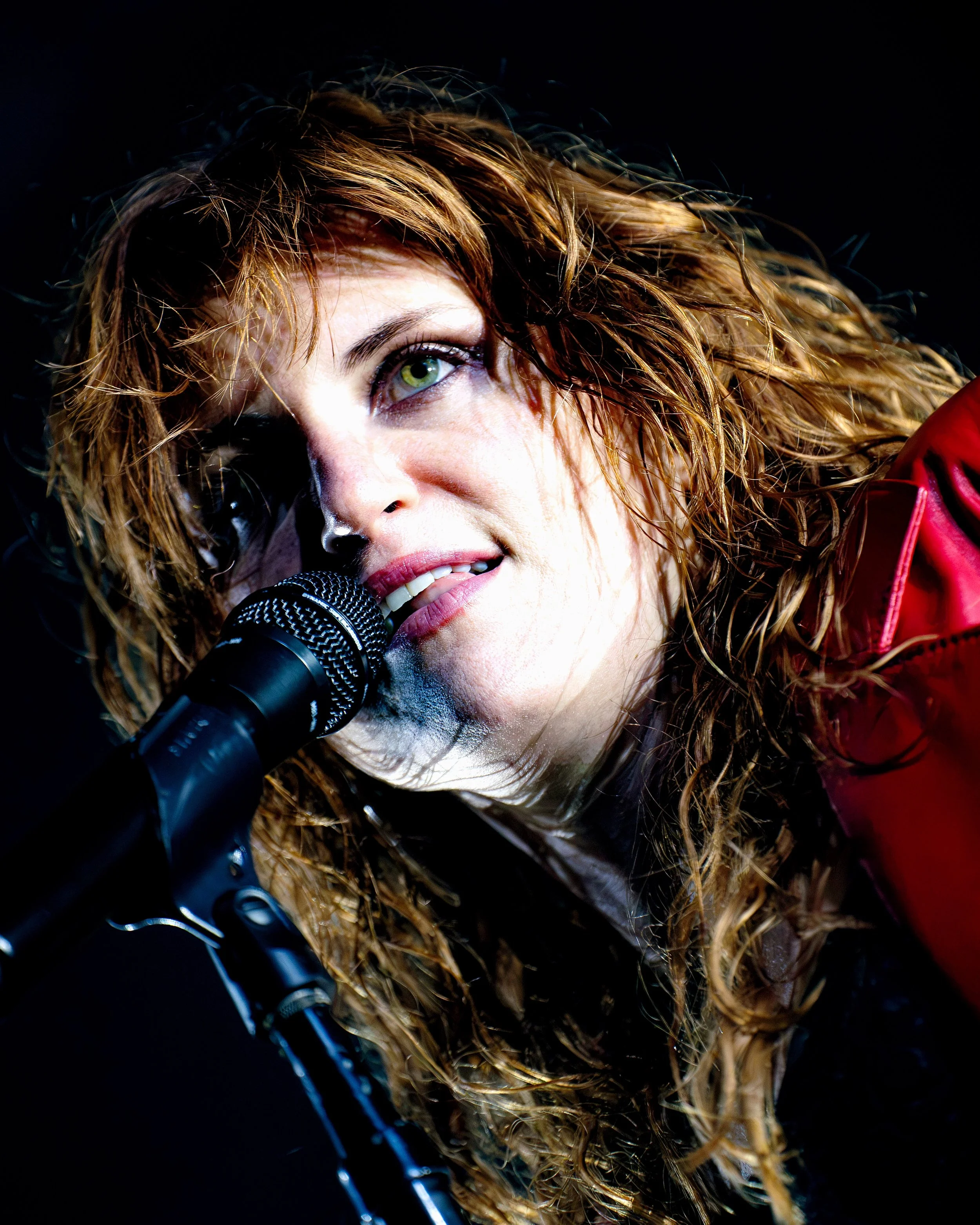
“Wannabeher” is my personal favorite from the album, and hearing it live made that attachment feel almost explosive. The stage was drenched saturated red as the band moved with constant feral chemistry. They repeatedly came together, leaning low toward the ground, moving like the song had a physical gravity of its own. The screaming reached to the level where I genuinely wondered if the walls of The Van Buren were vibrating towards demolition.
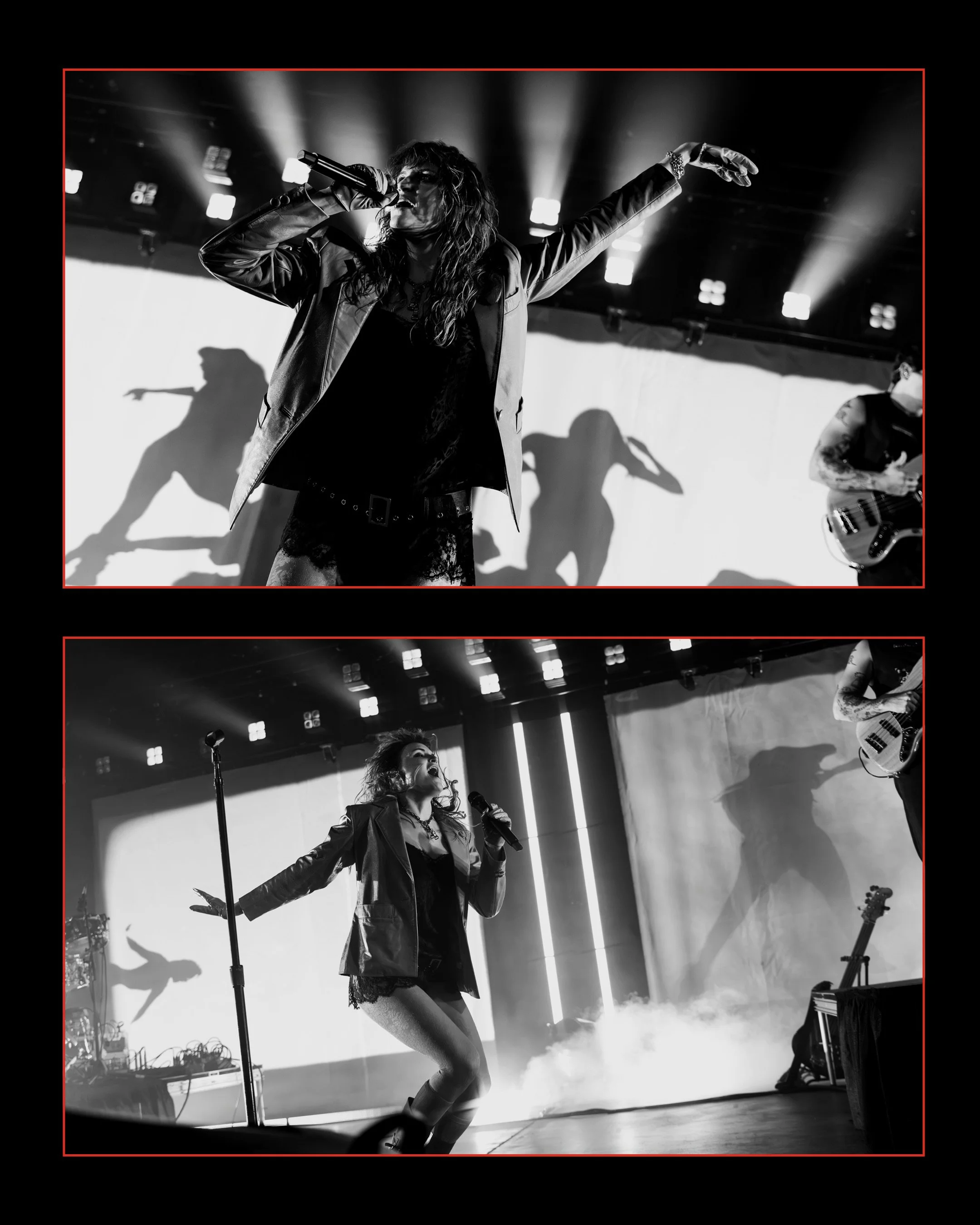
“Mary Jane,” “Girl's Girl,” “So What” and “Big Stick” kept that momentum rolling. “Big Stick” in particular landed with force. The song carries attitude amplified in a room full of people. It’s incredibly potent, MUNA's ability to make a song enormous without stripping away its personality. Their music can wink at you one second and hit somewhere much deeper the next.
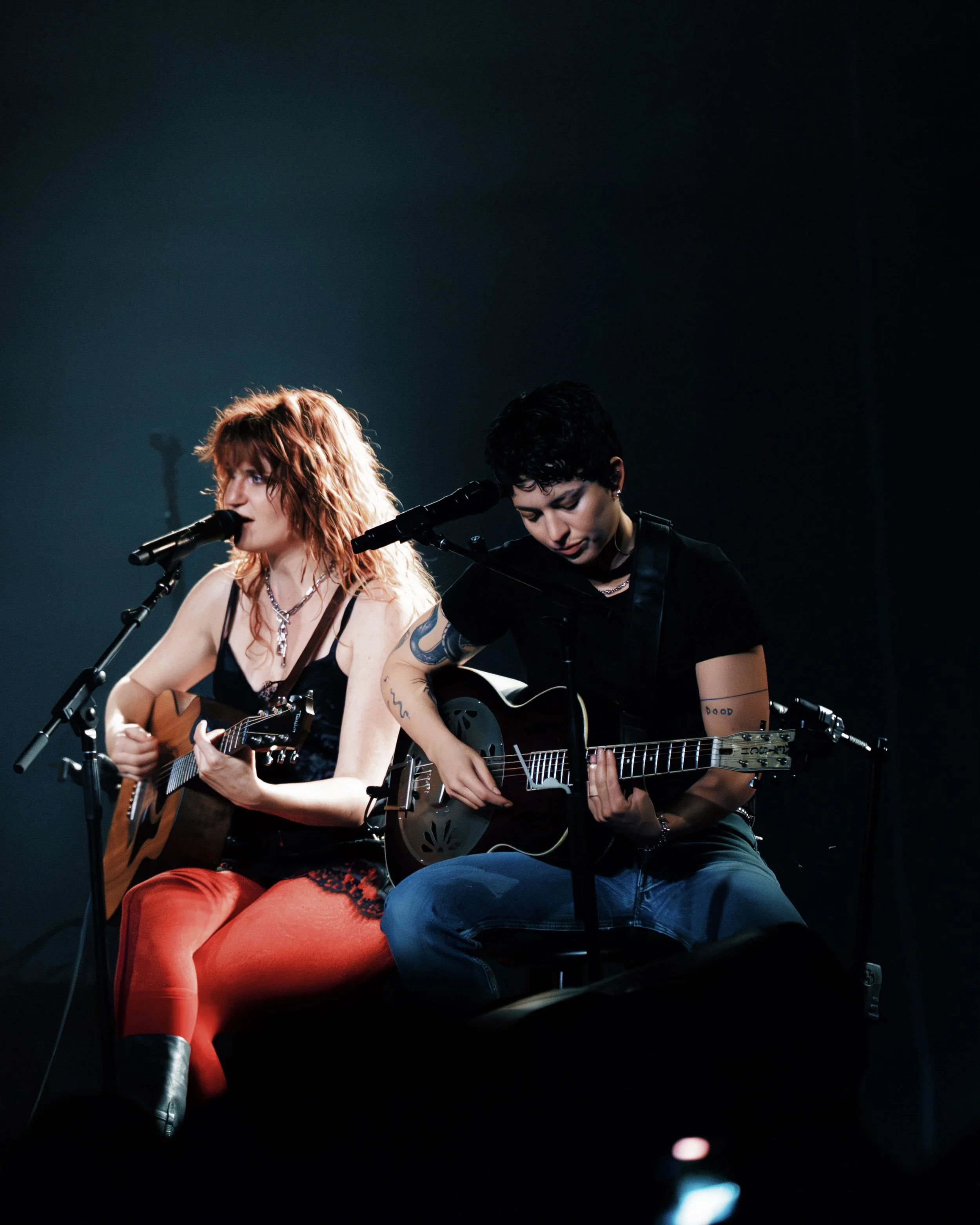
Before the acoustic portion of the set, the band spoke openly about member, Naomi McPherson, who was not able to be there because they were at their mother's bedside. The crowd already knew and came with love and support. Fans dropped letters for McPherson at the merch stand before the show began. This set was the most tender portions of the night, with the band speaking about McPherson and their mother, Harriet, through visible emotion and tears. You could feel how deep the love was rooted.
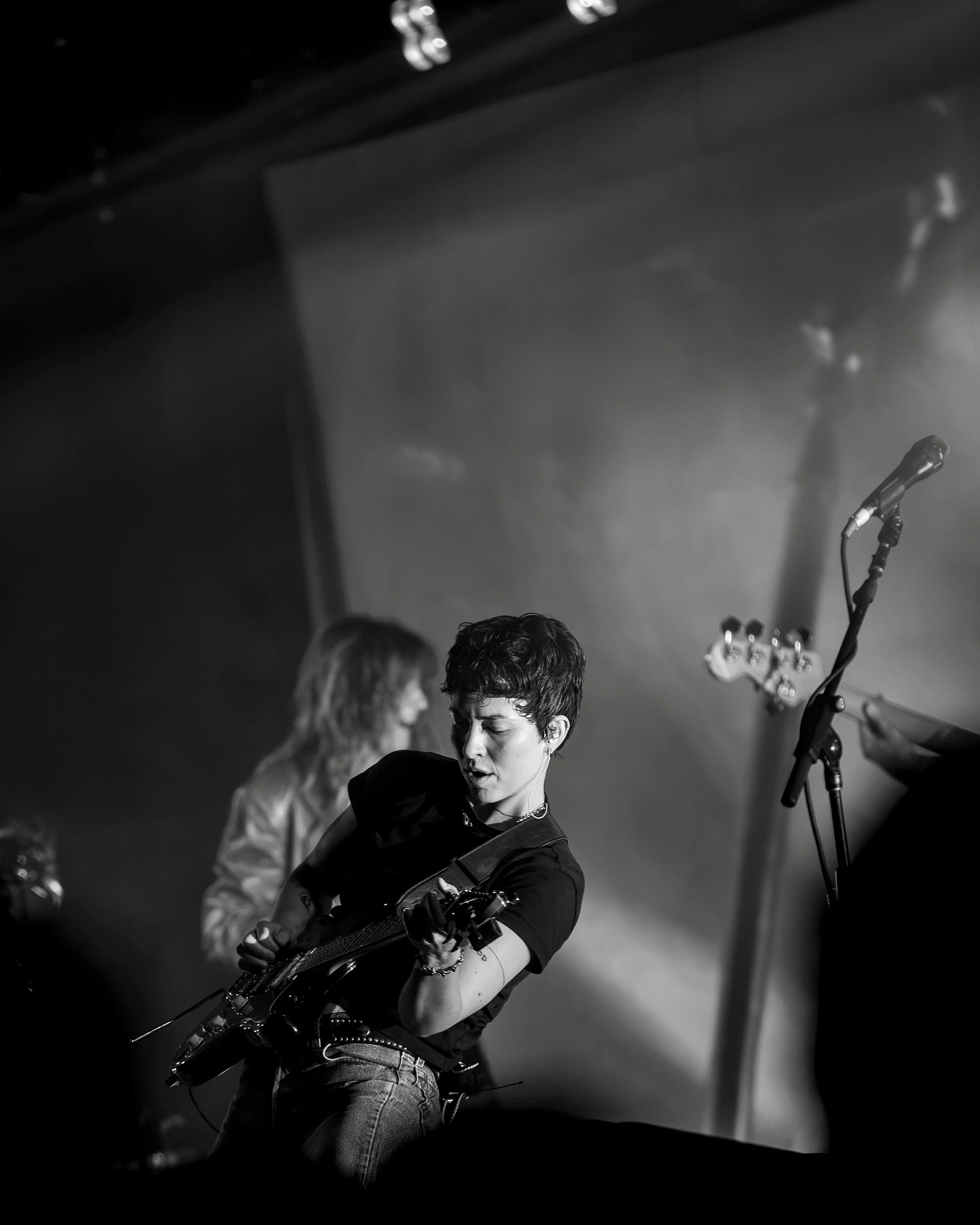
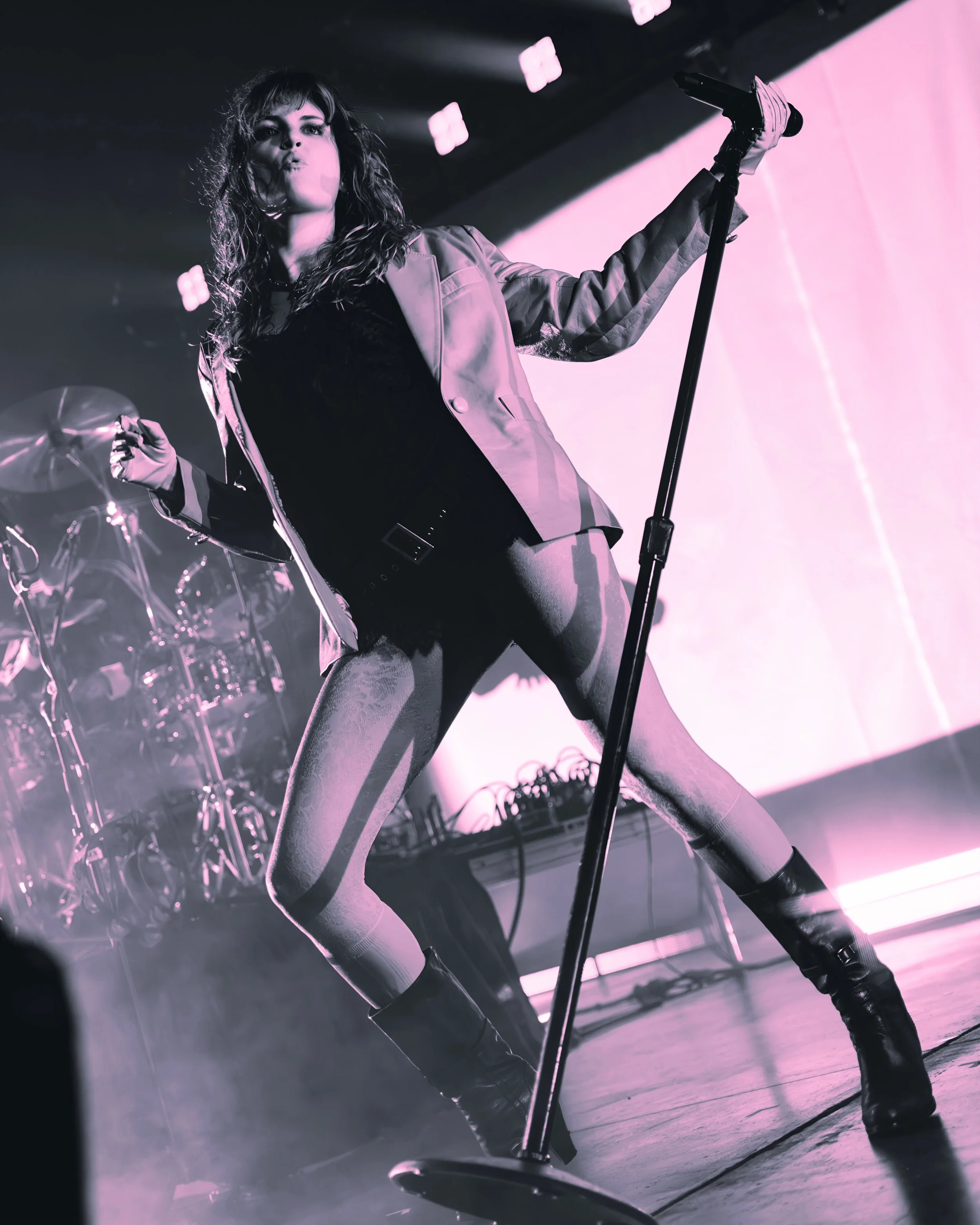
Harriet's presence in the story of MUNA extends far beyond simply being a band member's mother. She supported the band deeply from the beginning, weaving her love and support through them permentantly. During “Taken” and “Kind of Girl,” the energy shifted from explosive celebration to something warmly intimate. Grief wasn't treated as something that needed to be hidden from the audience. It was held there, collectively, with tenderness. With love.
MUNA returned for the second portion of their set with “What I Want,” “Number One Fan,” “Solid,” “Anything but Me,” which of course, featured Stacy. “One That Got Away,” continued the lineage of fan favorites. “Eastside Girls” created crowd impromptu fist pumping. The room was once again moving as one. There was a new emotional layer underneath the dancing. Everyone understood that celebration and grief weren't mutually exclusive. If anything, they were sharing the same heartbeat and honoring Harriet.
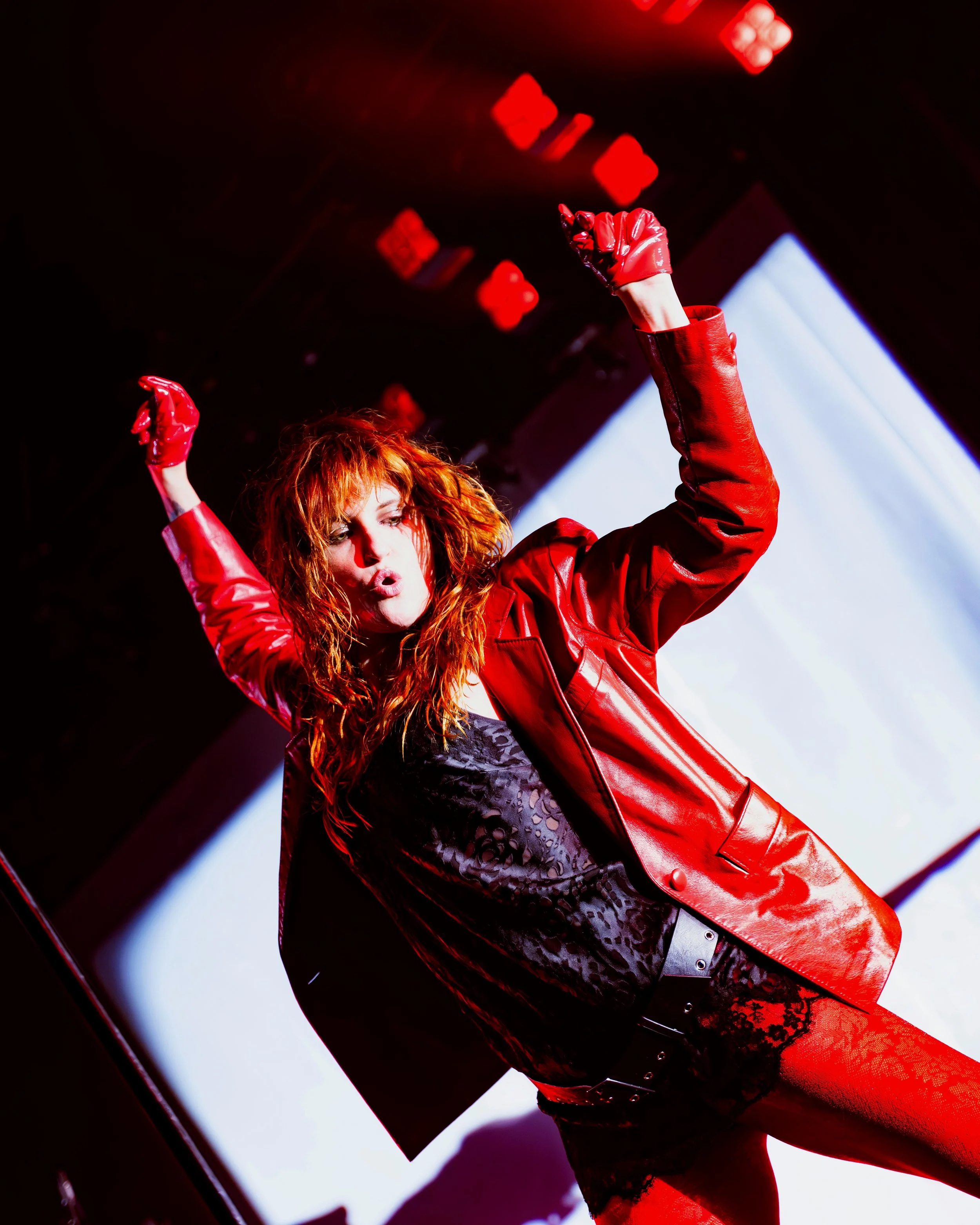
MUNA had taken on a whirlwind of a ride: lustful, loud, explosive, vulnerable, and an abundance of queer euphoria. “Stayaway,” one of my favorite MUNA songs, felt cathartic to sing along with before “Pink Light / It's Gonna Be Okay, Baby (Interlude)” gave the room another breath. “I Know a Place,” followed by “Silk Chiffon,” a song that has earned its place in the canon of all-time queer anthems were final moments of release.
What stayed with me was how deeply connected everyone in that room seemed to be. MUNA has built an incredibly warm community, while also gifting us their insane talent, and music. They are fiery and unstoppable. There is a genuine thread between the band, their families and the community that has grown around them. MUNA instead made space for their absent band member with love, and then filled the room with everything else they had bubbling within. Let’s wind it back.
Article by: Kili Goodrich

Plug In. Tune Out.
MUNA’s latest album, Dancing On The Wall, pushes duality into a darker, more sensual and mischievous era. Trading some of the brighter pop gloss of their earlier work for saturated production, sharper lyricism, physicality, and a sense of freedom that is playful and deliberately feral. Katie Gavin, Josette Maskin, and Naomi McPherson are at the center of all of the brilliance.